

Za marsikaterega otroka bi bila hiša, polna psov, mačk, zajcev in drugih živali, uresničitev sanj. Toda za 31-letno Američanko Summer Joy je bilo odraščanje med več kot 70 živalmi vse prej kot idilično. Namesto prijetnega doma in brezskrbnega otroštva so jo spremljali neznosen smrad, umazanija, živalski iztrebki in zajedavci, ki je niso pustili pri miru niti ponoči. Zaradi razmer doma je postala tudi tarča krutega posmehovanja sošolcev. 

V družinski hiši je živelo približno 20 psov, 20 mačk, poleg njih pa še kokoši, race, kuščarji, zajci in konji. Njeni starši so živali nenehno kopičili, nekatere, med njimi korgije, zlate prinašalce in zajce, pa so tudi vzrejali in prodajali. Število živali je sčasoma tako naraslo, da zanje ni bilo več prostora. Najprej so zasedle jedilnico, nato še druge prostore, celo otroške sobe.

»Vsak centimeter našega doma je prekrivala plast umazanije, dlak in nesnage. Povsod so bili iztrebki, urin, plesen, ščurki in bolhe,« se grozljivih razmer spominja Summer. Bolhe so jo grizle celo v postelji, zato tudi ponoči ni našla miru. Kljub prizadevanjem, da bi skrbela za osebno higieno, se neprijetnega vonja, ki se je zažrl v njena oblačila in osebne predmete, ni mogla znebiti.
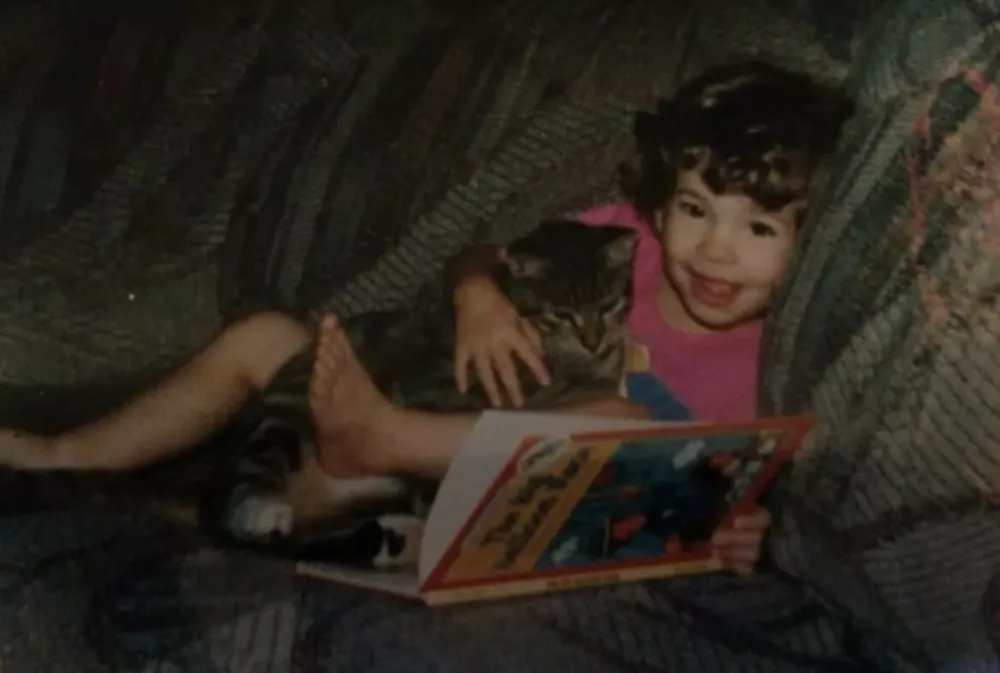
Story from Jam Press (Hoarding Home Trauma)Pictured: Summer with one of the cats.'I grew up in a HOARDER house that felt like a ZOO with every inch covered in dirt, grime and fur – I was bitten by FLEAS as I slept'A woman has spoken out about her experience of 'animal hoarding' after she claims to have grown up in a household filled with upwards of 70 pets.Summer Joy likened her childhood house to a zoo – which was a home to 20 dogs, 20 cats, 20 chickens and ducks, three exotic birds, two lizards and a farm of "countless" horses, goats and peacocks. In total, she believes her family housed over 70 animals at once.The 31-year-old describes her parents as 'hoarders' and said the conditions included excrement often found on the floor, and a strong smell attached to her clothes that led to years of bullying."While my peers were playing 'the floor is lava', I was dealing with it in real life," the legal worker told creatorzine.com."Every inch of our home was covered in a layer of grime, fur and dirt. "There were also copious amounts of faeces, urine, mould, roaches and fleas. "It was nearly impossible to get myself to eat within the home due to the state of the kitchen."The issue dates back over 20 years, with things spiralling almost right away.Summer claims her parents bred animals like dogs, such as Corgis and Golden Retrievers, as well as rabbits.They'd then sell these on as their main source of income.She puts this down to hoarding – a recognised mental condition that involves the sufferer struggling to part with possessions.Summer said: "Their [my parents'] animal hoarding knew no boundaries."They would have dogs birthing litters of puppies and house them in the dining room. "In later years, they ran out of space and so would use mine and my siblings' rooms."Each day felt like a constant battle with my senses, that left me beyond exhausted."Summer, who lives on the east coast of the US, recalls struggling to fall asleep due to being bitten by fleas. While she hoped for respite at school, she sadly suffered years of cruel taunts.She said: "I was known as 'cat piss girl' by everyone despite trying to rid the smell when I left the house. "I'd desperately try to take care of my hygiene with the little resources I had. "But it never made much of a difference due to the severity of the conditions I was trying to mask. "Once, I invited a girl over for a sleepover, and she freaked out, rightfully so, over the cockroach infestation in the kitchen. "Her parents came to pick her up, and she wasn't allowed back over again. "I suffered extreme bullying from a little girl all the way to graduation as a result."Summer tried to speak with her parents on the issue, though she was often met with phrases such as: 'This is just a typical farmhouse'.She eventually left her childhood home in 2013 to go to university. For the first time in her life, she felt "clean" in her own surroundings. It was also there that she realised her upbringing was far from typical, and came to believe that she had lived amongst 'hoarders'.She said: "Once I got into adulthood, I realised they were incapable of taking responsibility or making an effort to change."I had a very candid conversation with them, where I said I would be unable to continue a relationship with them unless they were willing to take accountability."She has been 'no contact' with her parents since 2024.The same year, she believes her father was served an official cease and desist regarding breeding operations on the property.No known arrests or other legal issues as a result of the so-called 'animal hoarding' are known.Now, Summer advocates for children of hoarders online to offer a safe space for those going through a similar experience to open up. She added: "Through sharing my story, I have helped create a platform that advocates for the unseen effects hoarding has on children. "And above all, I've finally convinced myself that I was never responsible for the mess. "Children of hoarders often suffer in years of silence because of the overwhelming shame they feel towards the conditions they grew up in. "When, in reality, we had no choice but to live in it and survive it. "People have no clue the effect witnessing animal hoarding has on a child."The environment itself poses a severe risk to physical health."In order to heal, I've found it incredibly important for me to shift the responsibility of the shame and guilt back onto those where it always belonged. "They'll refuse to accept it, as hoarders do, but that doesn't matter. "There's a very common misconception thrown around a lot when it comes to hoarding: just clean."However, it's not that simple. "Until the hoarder addresses their underlying mental health issues that caused their hoarding, the cycle will continue."ENDSEDITOR'S NOTE: Exclusive Licence: An exclusive licence has been obtained directly from the verified copyright holder. Jam Press holds exclusive distribution rights for the agreed content within the terms of the contributor agreement.,Image: 1143494298, License: Rights-managed, Restrictions: EDITOR'S NOTE: Exclusive Licence: An exclusive licence has been obtained directly from the verified copyright holder. Jam Press holds exclusive distribution rights for the agreed content within the terms of the contributor agreement., Model Release: no

Joy je vsak dan živela obdana z umazanijo, živalskimi iztrebki, ščurki in bolhami, ki ji ponoči niso pustile spati. Foto: Profimedia

Zaradi smradu so jo poniževali tudi v šoli

Posledice življenja v takšnem okolju so jo spremljale tudi zunaj doma. Sošolci so ji zaradi neprijetnega vonja nadeli žaljiv vzdevek »cat piss girl« oziroma »dekle, ki smrdi po mačjem urinu«. Posmehovanje in poniževanje sta postala del njenega vsakdana, čeprav sama ni imela nikakršnega vpliva na razmere, v katerih je odraščala.

Še posebej boleč je bil dogodek, ko je nekoč domov povabila prijateljico, da bi prespala pri njej. Ta je ob pogledu na ščurke v kuhinji prestrašena pobegnila. Namesto da bi starši ukrepali in poskrbeli za primernejše življenjske razmere, so Summer prepovedali, da bi domov še kdaj vabila prijatelje.

Starši so nevzdržne razmere opravičevali s pojasnilom, da gre pač za »tipično podeželsko kmetijo«. Toda Summer je vedela, da življenje med iztrebki, plesnijo in zajedavci ne more biti nekaj običajnega. Kljub temu se je dolgo spopadala z občutki sramu in krivde, saj kot otrok ni imela možnosti, da bi svoje življenjsko okolje spremenila.

Prelomnica je nastopila leta 2013, ko je odšla na univerzo. Takrat je prvič zares izkusila, kako je živeti v čistem in urejenem prostoru. Spoznanje, da ji ni treba vsak dan prenašati umazanije in neprijetnega vonja, ji je omogočilo tudi drugačen pogled na lastno otroštvo.
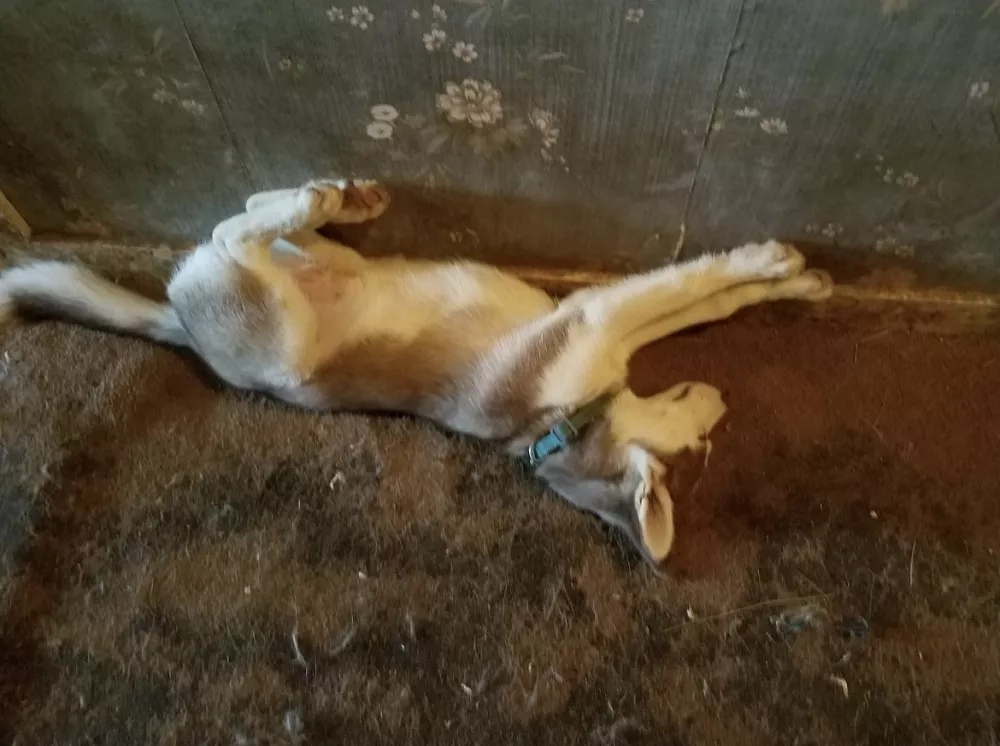
Story from Jam Press (Hoarding Home Trauma)Pictured: One of the dogs in Summer Joy's childhood home.'I grew up in a HOARDER house that felt like a ZOO with every inch covered in dirt, grime and fur – I was bitten by FLEAS as I slept'A woman has spoken out about her experience of 'animal hoarding' after she claims to have grown up in a household filled with upwards of 70 pets.Summer Joy likened her childhood house to a zoo – which was a home to 20 dogs, 20 cats, 20 chickens and ducks, three exotic birds, two lizards and a farm of "countless" horses, goats and peacocks. In total, she believes her family housed over 70 animals at once.The 31-year-old describes her parents as 'hoarders' and said the conditions included excrement often found on the floor, and a strong smell attached to her clothes that led to years of bullying."While my peers were playing 'the floor is lava', I was dealing with it in real life," the legal worker told creatorzine.com."Every inch of our home was covered in a layer of grime, fur and dirt. "There were also copious amounts of faeces, urine, mould, roaches and fleas. "It was nearly impossible to get myself to eat within the home due to the state of the kitchen."The issue dates back over 20 years, with things spiralling almost right away.Summer claims her parents bred animals like dogs, such as Corgis and Golden Retrievers, as well as rabbits.They'd then sell these on as their main source of income.She puts this down to hoarding – a recognised mental condition that involves the sufferer struggling to part with possessions.Summer said: "Their [my parents'] animal hoarding knew no boundaries."They would have dogs birthing litters of puppies and house them in the dining room. "In later years, they ran out of space and so would use mine and my siblings' rooms."Each day felt like a constant battle with my senses, that left me beyond exhausted."Summer, who lives on the east coast of the US, recalls struggling to fall asleep due to being bitten by fleas. While she hoped for respite at school, she sadly suffered years of cruel taunts.She said: "I was known as 'cat piss girl' by everyone despite trying to rid the smell when I left the house. "I'd desperately try to take care of my hygiene with the little resources I had. "But it never made much of a difference due to the severity of the conditions I was trying to mask. "Once, I invited a girl over for a sleepover, and she freaked out, rightfully so, over the cockroach infestation in the kitchen. "Her parents came to pick her up, and she wasn't allowed back over again. "I suffered extreme bullying from a little girl all the way to graduation as a result."Summer tried to speak with her parents on the issue, though she was often met with phrases such as: 'This is just a typical farmhouse'.She eventually left her childhood home in 2013 to go to university. For the first time in her life, she felt "clean" in her own surroundings. It was also there that she realised her upbringing was far from typical, and came to believe that she had lived amongst 'hoarders'.She said: "Once I got into adulthood, I realised they were incapable of taking responsibility or making an effort to change."I had a very candid conversation with them, where I said I would be unable to continue a relationship with them unless they were willing to take accountability."She has been 'no contact' with her parents since 2024.The same year, she believes her father was served an official cease and desist regarding breeding operations on the property.No known arrests or other legal issues as a result of the so-called 'animal hoarding' are known.Now, Summer advocates for children of hoarders online to offer a safe space for those going through a similar experience to open up. She added: "Through sharing my story, I have helped create a platform that advocates for the unseen effects hoarding has on children. "And above all, I've finally convinced myself that I was never responsible for the mess. "Children of hoarders often suffer in years of silence because of the overwhelming shame they feel towards the conditions they grew up in. "When, in reality, we had no choice but to live in it and survive it. "People have no clue the effect witnessing animal hoarding has on a child."The environment itself poses a severe risk to physical health."In order to heal, I've found it incredibly important for me to shift the responsibility of the shame and guilt back onto those where it always belonged. "They'll refuse to accept it, as hoarders do, but that doesn't matter. "There's a very common misconception thrown around a lot when it comes to hoarding: just clean."However, it's not that simple. "Until the hoarder addresses their underlying mental health issues that caused their hoarding, the cycle will continue."ENDSEDITOR'S NOTE: Exclusive Licence: An exclusive licence has been obtained directly from the verified copyright holder. Jam Press holds exclusive distribution rights for the agreed content within the terms of the contributor agreement.,Image: 1143490219, License: Rights-managed, Restrictions: EDITOR'S NOTE: Exclusive Licence: An exclusive licence has been obtained directly from the verified copyright holder. Jam Press holds exclusive distribution rights for the agreed content within the terms of the contributor agreement., Model Release: no

Doma je poslušala le izgovore, da gre za »tipično podeželsko kmetijo«. Foto: Profimedia

S starši je pozneje večkrat poskušala spregovoriti o težavah in jih spodbuditi k spremembam, vendar neuspešno. Leta 2024 se je zato odločila za težak korak in z njimi prekinila vse stike. Danes o svoji izkušnji govori javno in želi pomagati otrokom, ki odraščajo v podobnih razmerah. Opozarja, da kopičenje živali ni zgolj vprašanje nereda ali pomanjkanja higiene, temveč lahko pomeni resno težavo, ki prizadene vse družinske člane, pa tudi živali same.

»Končno sem se prepričala, da za vso tisto nesnago nikoli nisem bila kriva jaz,« poudarja Summer. Ob tem opozarja, da nasvet, naj družina preprosto pospravi hišo, ne rešuje bistva težave. Če vzroki za pretirano kopičenje živali ostanejo nerešeni, se lahko začarani krog hitro ponovi.

Priporočamo